.webp)
On Purpose
A tribute to the late Queen of embodied voice, Dolly Parton
.webp)

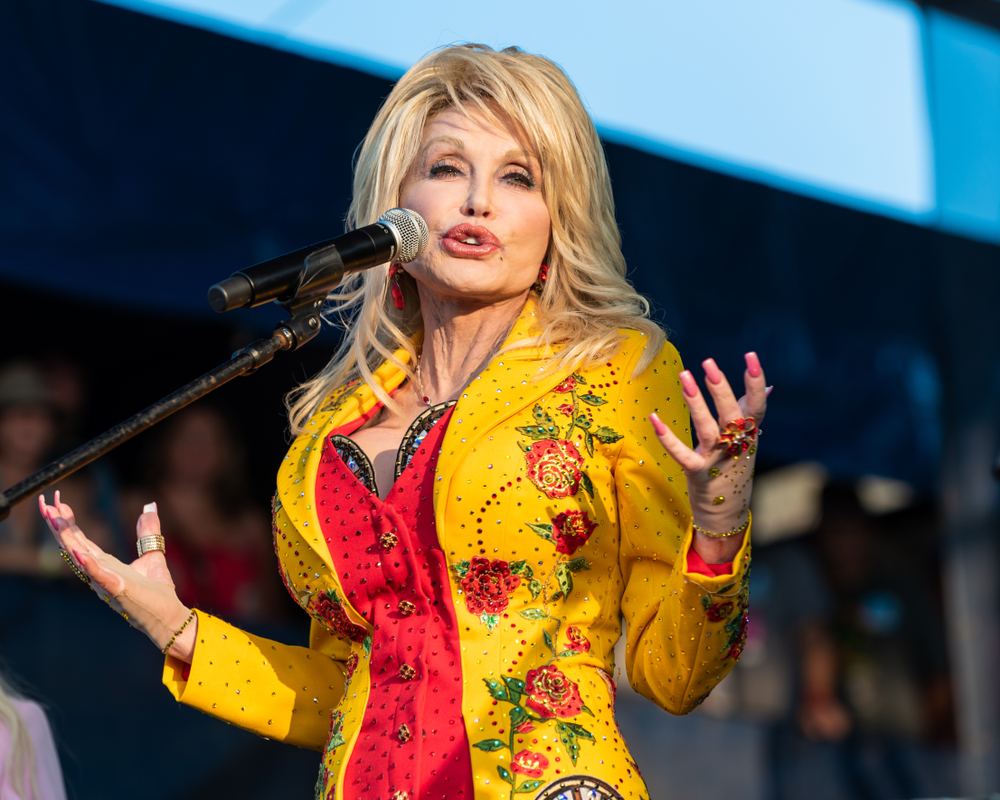
Dolly Parton died this week at eighty, and the tributes keep circling back to the same word: authentic. It's a word so watered down by marketing it's nearly lost its meaning — except that Dolly Parton is the rare person who earned it back.
Start with how she talked to people. Watch any interview footage and you'll notice she never performed distance. She met reporters, fans, and hecklers with the same instrument: a fast, warm drawl that could land a joke and a boundary in the same breath. When people mocked her wigs, her curves, her cartoonish glamour, she didn't get defensive — she got funnier. "It costs a lot of money to look this cheap" isn't just a punchline. It's a communication strategy: name the thing before someone else can weaponize it, and you've taken the air out of the insult. That's not just comedy. That's a nervous system staying loose and available under a kind of public scrutiny that would collapse most people's composure. She was just so present.
Which points to how embodied she was. She built her whole public self on the outside and somehow made that surface read as more honest than restraint would have. Most of us are taught that presence means underplaying the body: quiet clothes, quiet voice, don't take up space or at least not in unapproved ways. She did the opposite, and it worked, because the choice was visibly hers.
Dolly wasn't performing an image someone else assigned her. She was inhabiting one she built, on purpose, and you could feel the difference in a room or through a screen. That's the real tell of embodiment — not how much space a person takes up, but whether the person is actually home inside the shape they're occupying. You only have to have seen her redirect someone trying to make her small once, to understand who held authority when she stood in a room.
Which is the real lesson, and she said it plainly enough that it doesn't need my paraphrase: "Find out who you are and do it on purpose." Do not stumble when you find your identity, defend it. Choose it, keep choosing it, and let the choosing reveal you.
She wrote "Jolene" and "I Will Always Love You," two songs covered everywhere from opera stages to arena pop — and yes, I’ve performed both — out of the same unglamorous discipline she brought to everything.The through-line isn't just talent, her talent isn't my point. It is that she never seemed to be negotiating with herself about whether she was allowed to be this specific, particular, loud, tender person. She just was — on purpose, out loud, vocal and embodied, until the end.
Enjoy the next set, Dolly.
Sign up for the GROW Voice newsletter to receive updates on new blog posts, upcoming workshops, and voice training resources delivered directly to your inbox.


